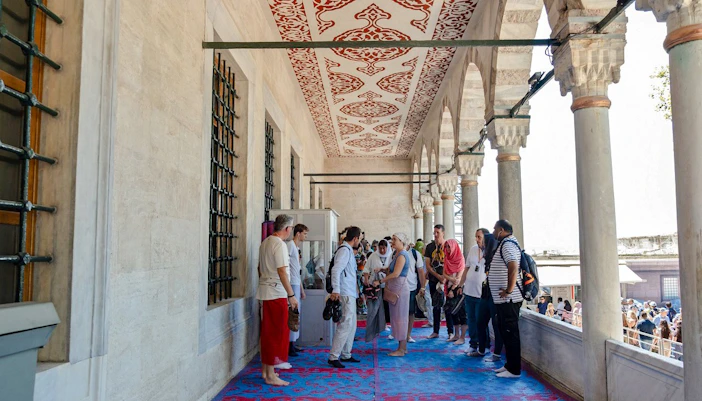
What to wear at Hagia Sophia

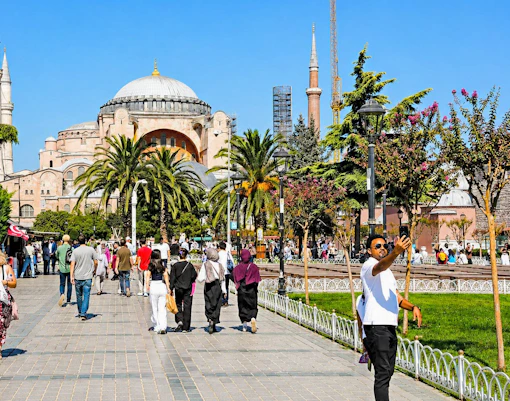
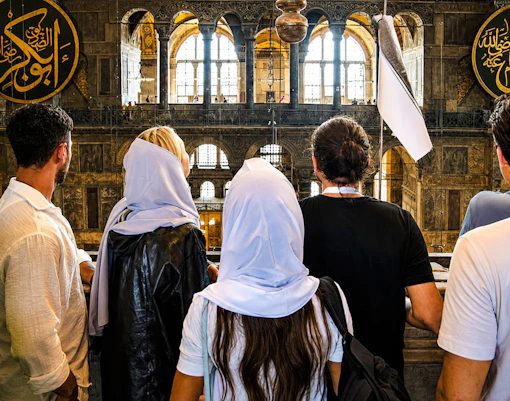
Hagia Sophia is an active mosque, and its dress code is strictly enforced, so arriving in appropriate clothing is essential. Visitors must wear outfits that cover their shoulders and knees, and women are required to cover their hair before entering the prayer areas. You'll also remove your shoes before stepping onto the carpeted floors, so comfortable slip-on footwear is ideal. The biggest decision is simple: arrive dressed to meet the requirements rather than relying on scarves or cover-ups at the entrance.

Hagia Sophia dress code: Quick facts

  • Modesty level: Shoulders and knees covered for every visitor; this is strictly enforced, not a soft guideline.
  • Head covering: Women must cover their hair with a headscarf; men do not need one. Scarves and body covers are sold at the ticket booth for a small fee if you don't bring your own.
  • Footwear: Shoes come off before entering the carpeted areas; a free bag is provided so you can carry them.
  • Climate & layers: Istanbul summers regularly hit 30–38°C, so pack breathable fabrics and a light scarf rather than heavy full-coverage clothing.
  • Accessories: Large bags, suitcases, and tripods aren't permitted inside; strollers are allowed but must be folded and carried.
  • Children: Kids under 8 are generally exempt from the dress code.
  • If you don't comply: Staff will offer a cover-up or ask you to adjust your outfit at the entrance before letting you continue, which can mean extra wait time during busy hours.

Mandatory rules vs comfort tips

ItemMandatory for entry?Why it mattersIf you skip it

Shoulders and knees covered

Yes

Hagia Sophia is an active mosque, and modest clothing is required for all visitors.

You may be refused entry or asked to cover up before entering.

Headscarf (women)

Yes

Women must cover their hair before entering the prayer areas.

You'll need to borrow or obtain a head covering before entry.

Avoid sleeveless or revealing clothing

Yes

Clothing should be modest and opaque to respect the religious setting.

You may be asked to wear a cover-up before entering.

Remove your shoes

Yes

Shoes must be removed before stepping onto the carpeted prayer areas.

You won't be allowed into the prayer areas while wearing shoes.

Slip-on, comfortable shoes

Recommended

They make shoe removal quicker and are comfortable for walking around the complex.

Lace-up shoes take longer to remove, and uncomfortable footwear can make your visit less enjoyable.

Light scarf or shawl

Recommended

It provides extra coverage if needed and doubles as a head covering for women.

You may need to rely on site-provided coverings before entering.

Everyday clothes or a dedicated outfit?

You don't need to pack a separate outfit just for Hagia Sophia. The easiest option is to wear clothes that already cover your shoulders and knees, so you're ready to enter without making last-minute adjustments. Dressing modestly from the start of the day saves time and keeps your visit hassle-free.

What to wear for a comfortable visit

You'll spend much of your visit walking on stone floors and standing in queues before entering Hagia Sophia, so comfort matters as much as meeting the dress code. Choose a breathable cotton or linen top with sleeves, or carry a lightweight shawl if extra coverage is needed. Long trousers, a midi or maxi skirt, or a dress that falls below the knees are practical choices. Comfortable slip-on shoes are ideal since you'll remove them before entering the prayer areas. Complete your outfit with a lightweight scarf, sunglasses in warmer months, and a small crossbody bag or compact backpack to carry your essentials without getting in the way.

Seasonal & weather tips

Summer (June–August)
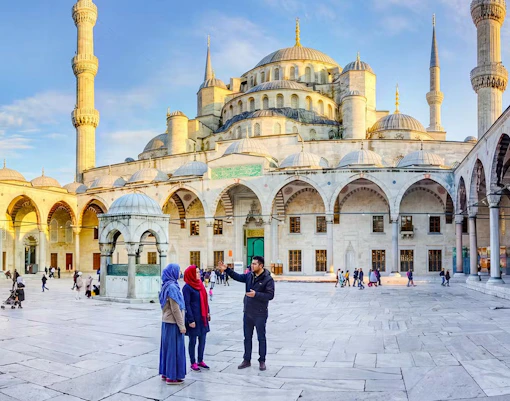
  • How it feels: Warm to hot, with temperatures often above 30°C and long queues outside the entrance.
  • What to wear: Lightweight cotton or linen clothing that covers your shoulders and knees, plus a breathable headscarf if needed.
  • Tradeoff: Lighter fabrics keep you cool, but coverage is still required despite the heat.

Spring & autumn (March–May, September–November)
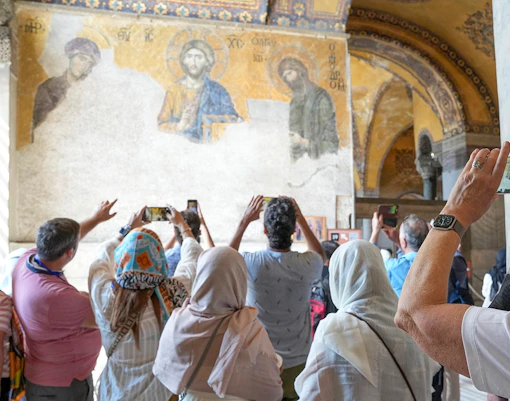
  • How it feels: Pleasant daytime temperatures with cooler mornings and evenings.
  • What to wear: Breathable layers, comfortable slip-on shoes, and a light jacket or cardigan that's easy to remove.
  • Tradeoff: One versatile layer is usually enough; heavier clothing can become uncomfortable during the day.

Winter (December–February)

  • How it feels: Cool, damp weather, with chilly stone floors and longer periods spent indoors.
  • What to wear: A warm coat, layers, comfortable socks, and slip-on shoes for easy removal before entering the prayer areas.
  • Tradeoff: Thick winter coats are useful outside but can feel bulky to carry once you're inside.

Rainy days

  • How it feels: The walkways around Hagia Sophia can become wet and slippery.
  • What to wear: Closed shoes with good grip, a waterproof jacket or compact umbrella, and quick-drying layers.
  • Tradeoff: Open sandals are less practical in wet conditions and make the shoe-removal process messier.

Do you need to dress up for Hagia Sophia?

No. There's no expectation to wear formal or smart-casual clothing when visiting Hagia Sophia. Clean, modest attire that covers your shoulders and knees is all that's required. Comfortable clothing and practical footwear are a better choice than dress shoes or formal outfits, especially since you'll be walking, standing in queues, and removing your shoes before entering the prayer areas.

Frequently asked questions about the dress code at Hagia Sophia

The dress code is strictly enforced because Hagia Sophia is an active mosque. All visitors must wear clothing that covers their shoulders and knees, and women are required to cover their hair before entering the prayer areas. Visitors who don't meet the requirements may be asked to cover up before they're allowed inside.

More reads