Top attractions

Why combine Hagia Sophia and Basilica Cistern?
Proximity
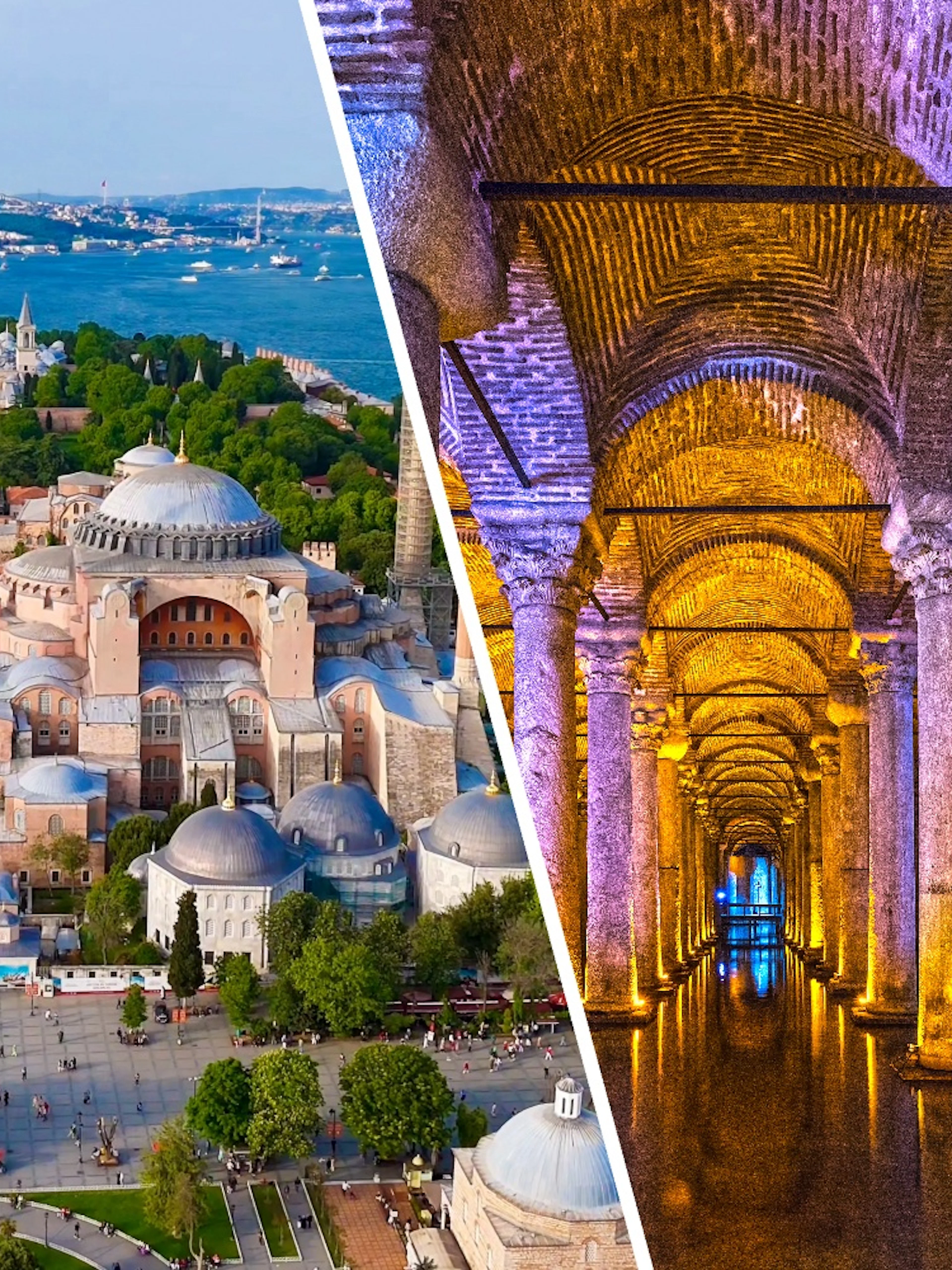
These two landmarks sit roughly 110 meters apart in Sultanahmet, so you can move between them on foot without losing time to taxis, transfers, or confusing meeting points.

Better contrast

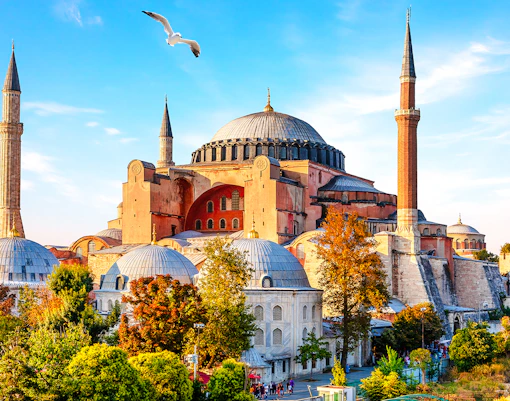
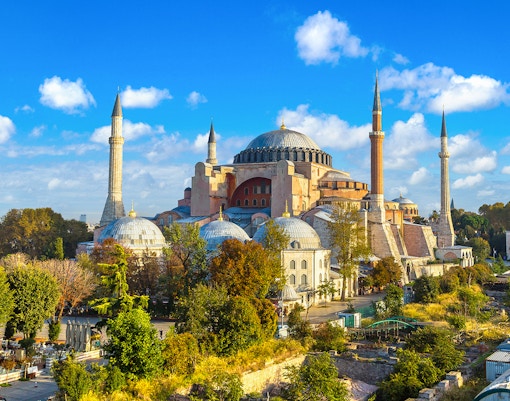
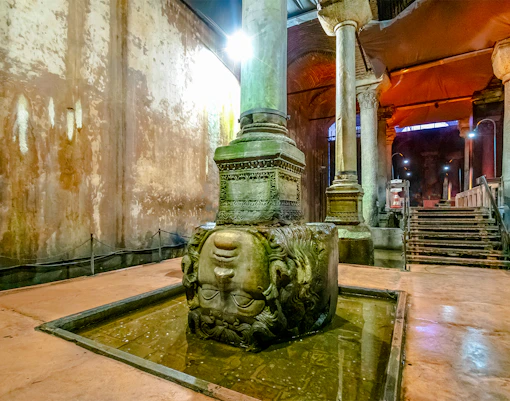
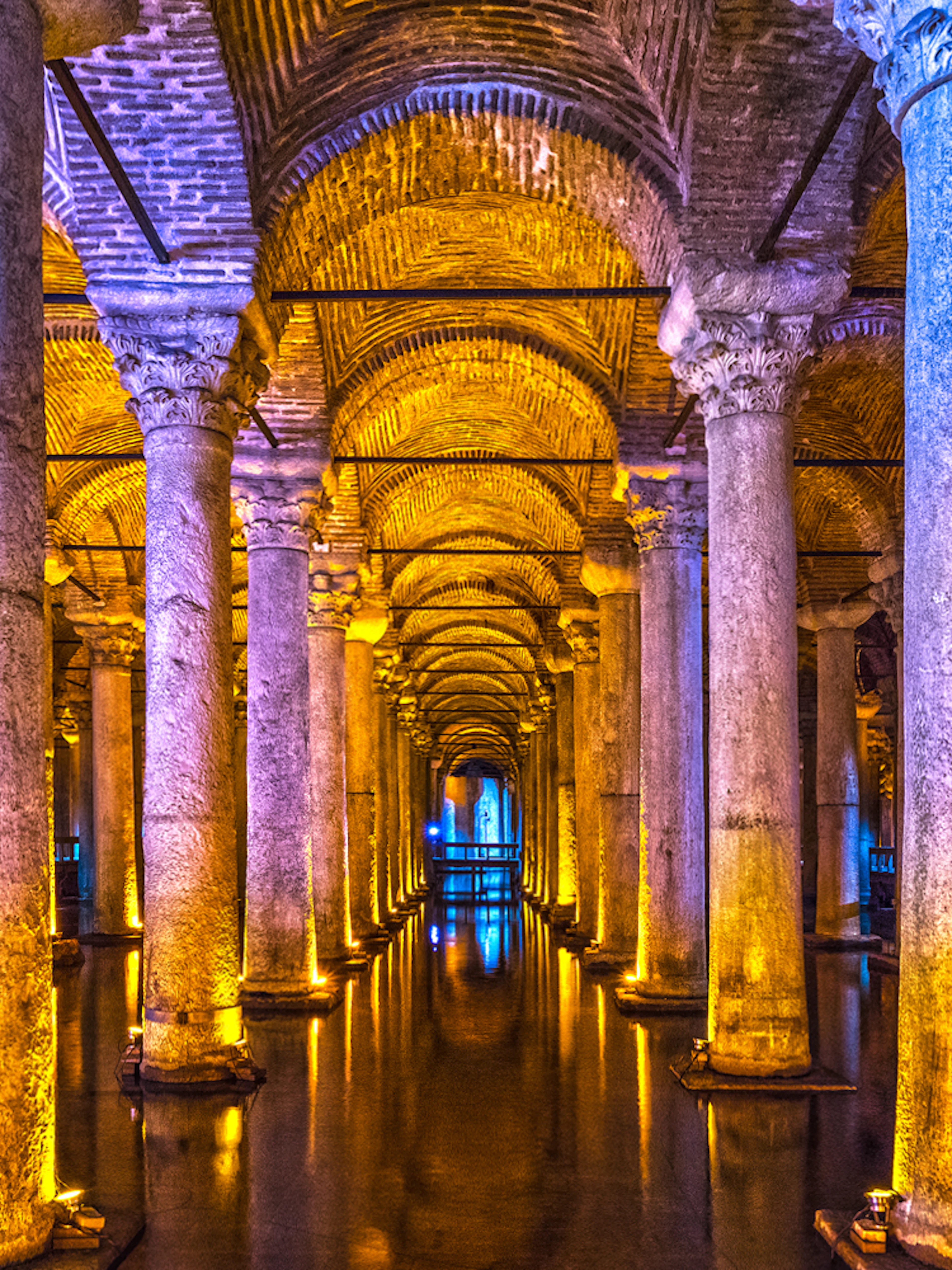
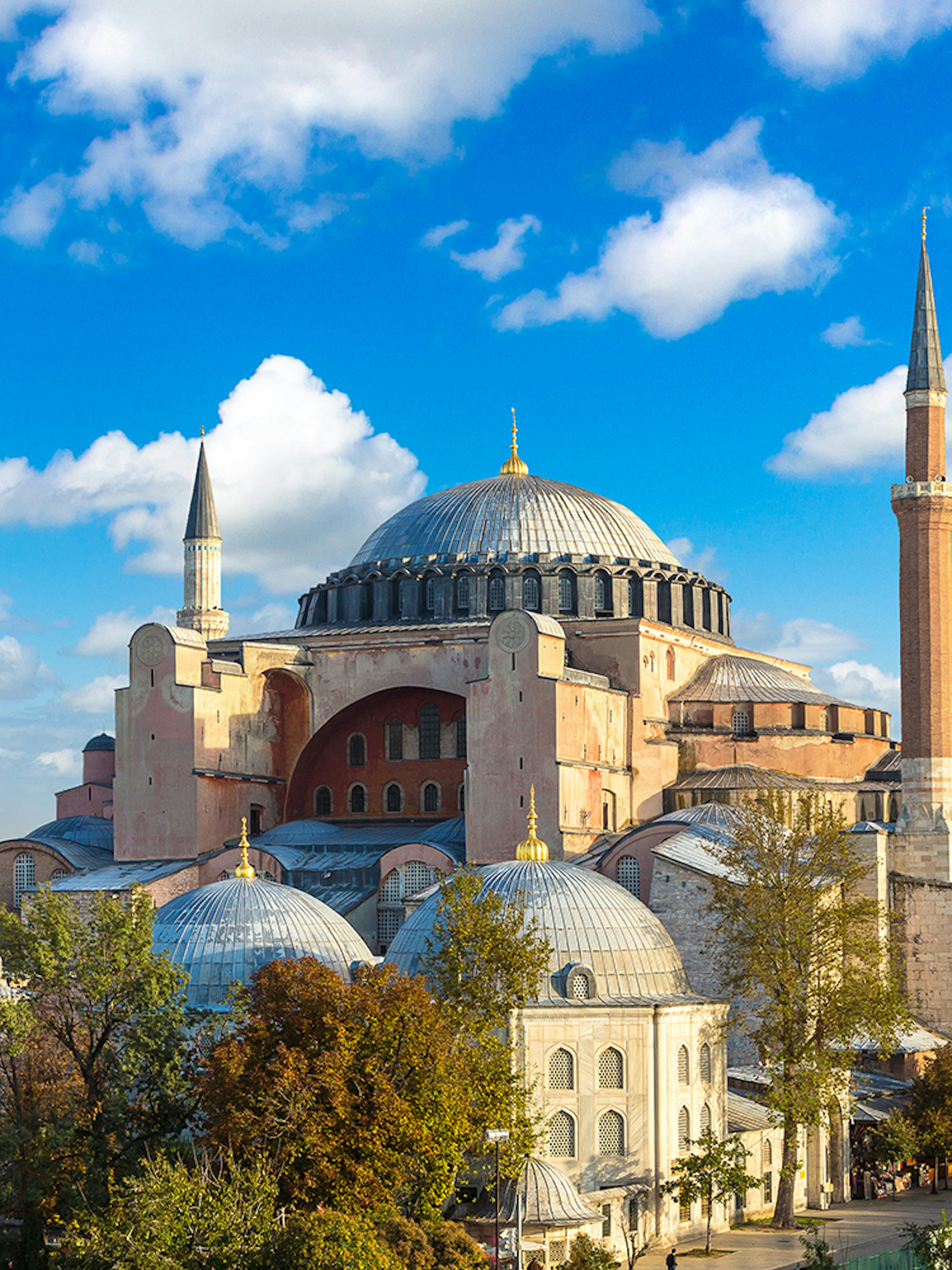
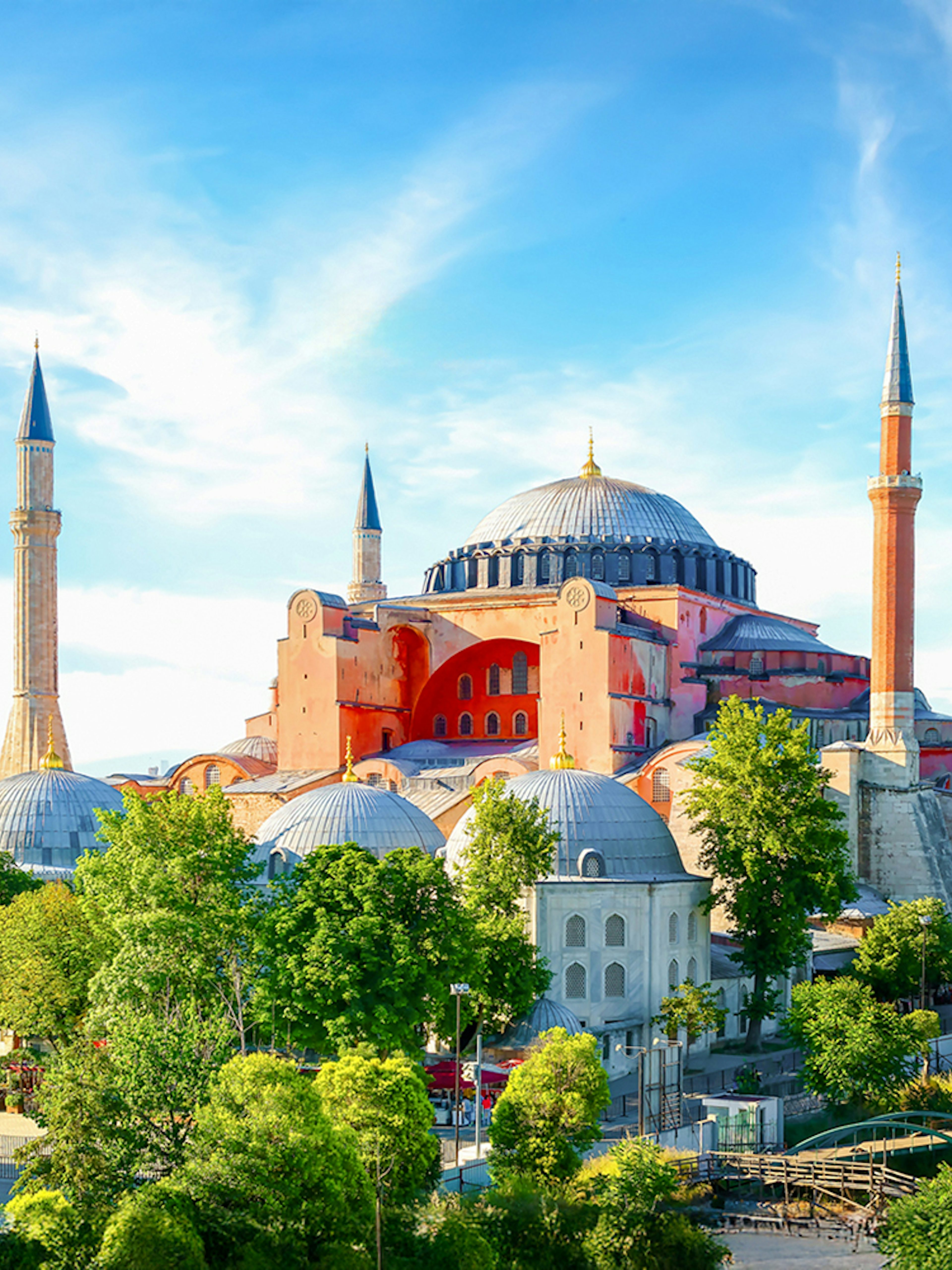
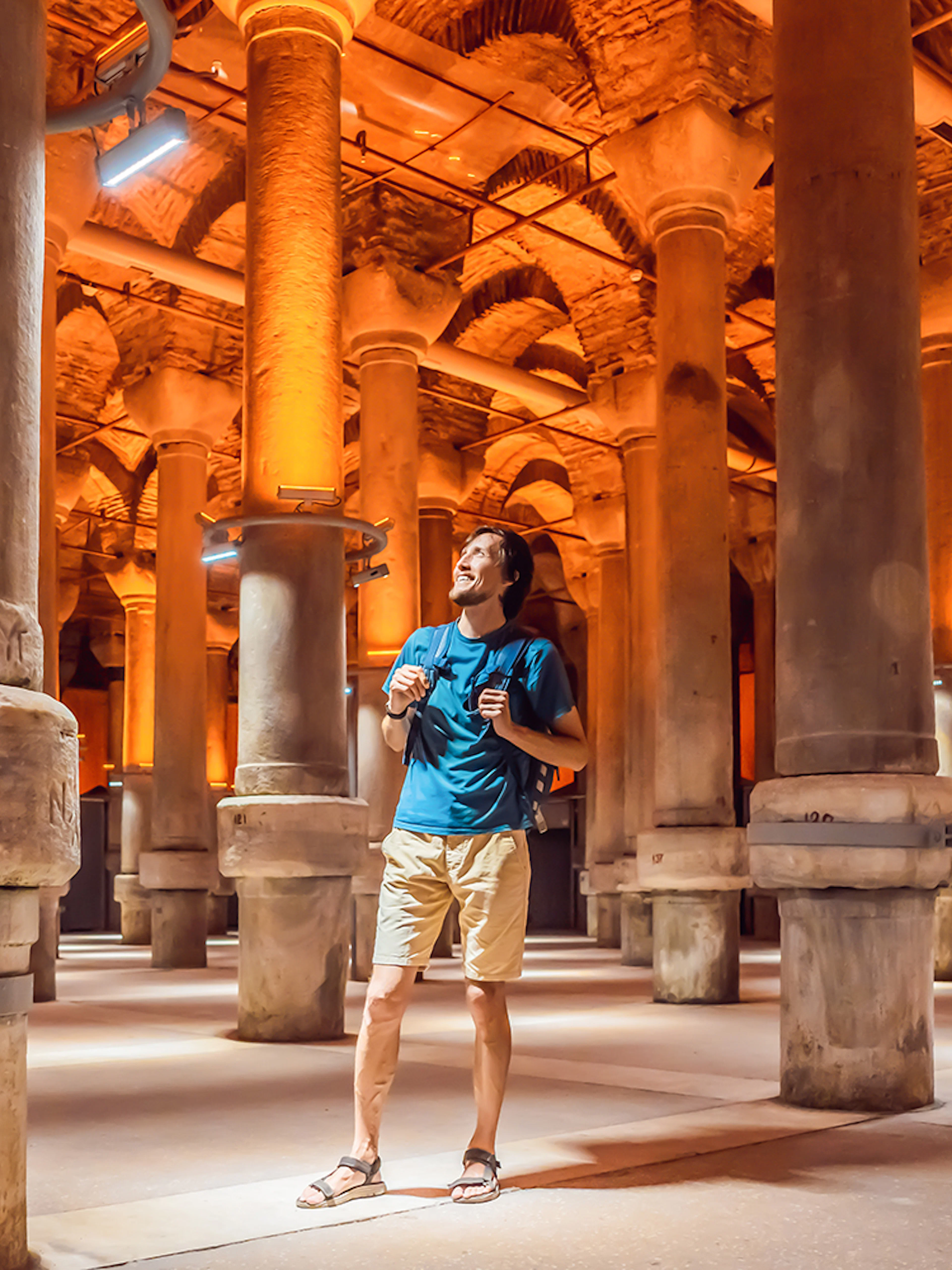
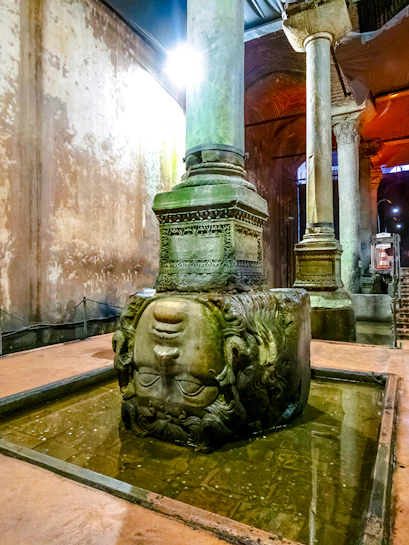
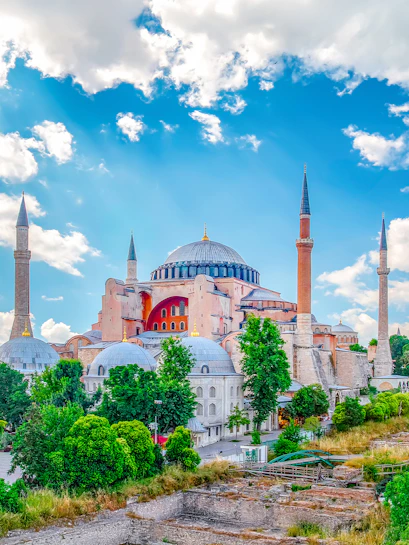
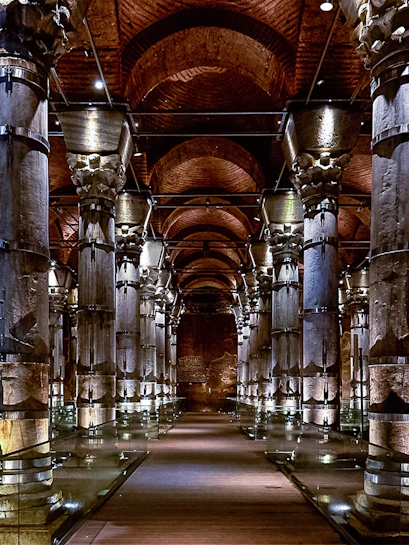
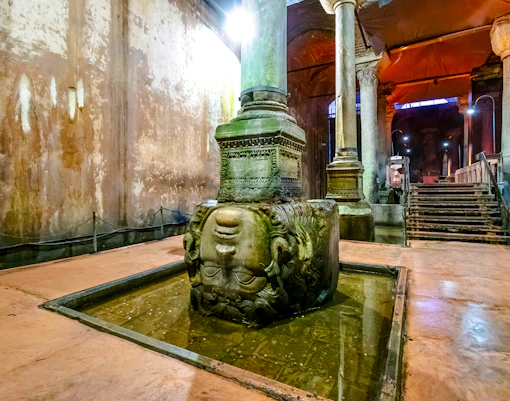
Hagia Sophia gives you soaring domes, mosaics, and imperial scale; Basilica Cistern flips the mood underground with columns, reflections, and Medusa heads. Together, the contrast feels fuller and more satisfying.

Better value

Bundling both sites usually costs less than checking out twice, and it cuts the risk of paying extra for separate audio guides, booking fees, or mismatched entry options.

Easier planning

One combo keeps your confirmations, entry instructions, and add-ons in a single booking. That matters in Sultanahmet, where prayer pauses, security checks, and crowd spikes can disrupt separate plans.

Flexible depth

You can keep it simple with audio guides or upgrade to live-guided options. That makes the combo work whether you want fast-track independence or richer historical context.

The best ways to explore both

AspectSeparate ticketsCombo tours

Cost

Hagia Sophia from about €30.50; Basilica Cistern from about €39.49, booked separately.

Bundled combos often cost less than two standalone skip-the-line bookings, especially when discounts are active.

Availability

Peak-season slots can force awkward gaps between visits.

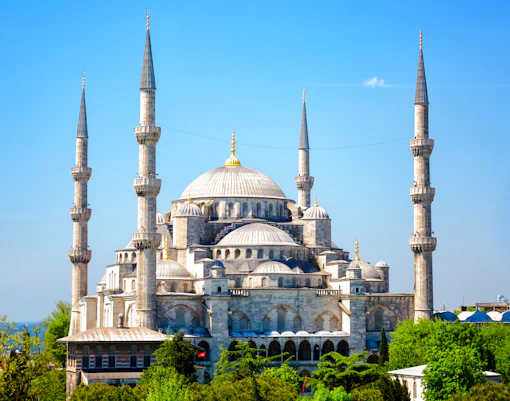
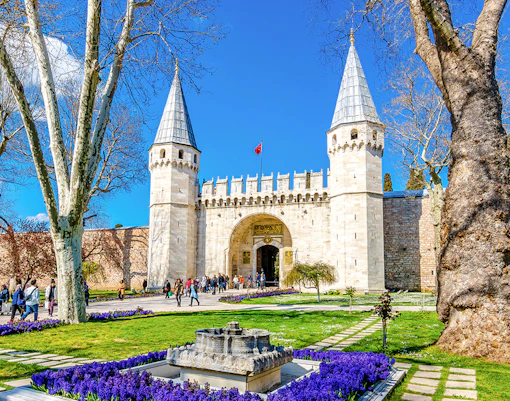
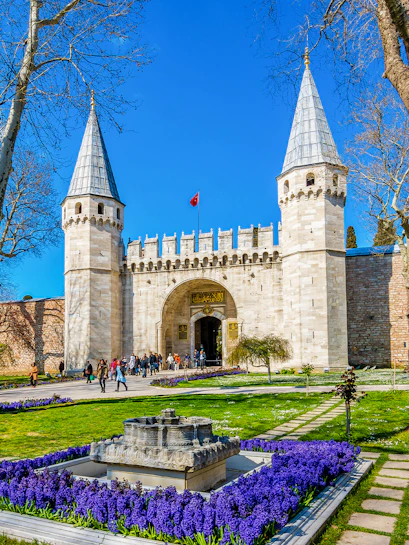
One booking secures both landmarks together, with optional upgrades to Blue Mosque or Topkapi Palace.

Timeslots

You manage prayer pauses, security waits, and cistern timing yourself.

Guided and hosted combos make sequencing easier and reduce timing guesswork.

Convenience

Two checkouts, two vouchers, and two separate support trails.

One confirmation, one booking flow, and clearer entry instructions.

Flexibility

More freedom to split visits across the day or different days.

Less spontaneous, but easier to execute once booked.

Best for

Visitors building their own Sultanahmet schedule at their own pace.

Visitors fitting both landmarks into one efficient half-day.

Making the most of your experience

  • Plan a half-day: Spend 1.5–2 hours at Hagia Sophia and 30–45 minutes at Basilica Cistern; they’re a 2–5-minute walk apart, so the combo fits neatly before lunch.
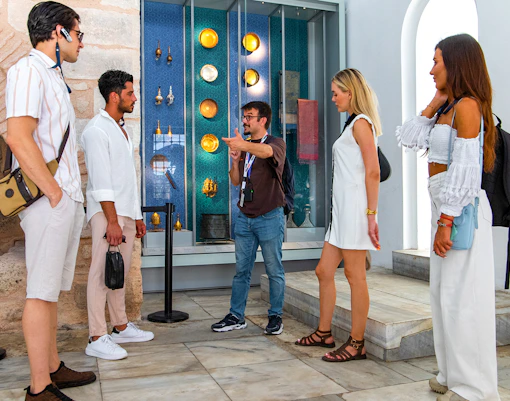
  • Add more context: Pick the audio-guide combo for flexibility, or choose a live-guide variant if you want stronger storytelling and smoother timing through security, prayer pauses, and entry points.
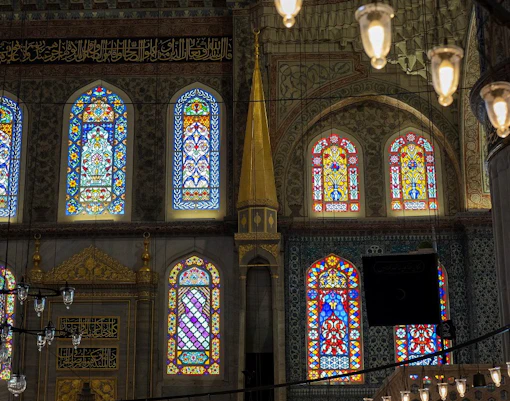
  • See both moods of Byzantium: Hagia Sophia covers the dome, Upper Gallery, and mosaics; Basilica Cistern adds forest-like columns, mirrored walkways, and the Medusa heads.
  • Hagia Sophia: Open 9am–7:30pm; on Fridays, tourist visits pause from 12:30pm–2:30pm. Security can take 30–60 minutes in summer.
  • Basilica Cistern: Mid-morning gets busy fast. Check your booked ticket before locking your Hagia Sophia slot.
  • Start with Hagia Sophia: Morning entry usually feels smoother, and you won’t risk losing momentum to Friday or daily prayer pauses later.
  • Do the cistern second: Late afternoon, especially after 4pm, is calmer underground and works well after Hagia Sophia’s busiest post-prayer window.
  • Use light well: Shoot Hagia Sophia’s exterior earlier for softer light, then save Basilica Cistern for lower-crowd reflection shots later in the day.
  • Location context: Both sites sit in Sultanahmet, Istanbul’s Old City, within the same sightseeing core as the Blue Mosque, Topkapi Palace, and the Hippodrome.

Hagia Sophia: Ayasofya Meydanı No: 1, Sultan Ahmet, 34122 Fatih, Istanbul, Turkey | Find on Maps

Basilica Cistern: Alemdar, Yerebatan Cd. 1/3, 34110 Fatih, Istanbul, Turkey | Find on Maps

  • Walk: The simplest transfer is on foot; allow 2–5 minutes between entrances. Tram T1 to Sultanahmet is the easiest arrival point for both.
  • Transit: From elsewhere in the city, use T1 to Sultanahmet, then walk. Taxis can get stuck badly around Sultanahmet’s traffic-controlled streets.
  • Parking: Street parking is scarce and usually slower than public transit. If you drive, use a paid lot outside the core and finish by tram or on foot.
  • Hagia Sophia: Partially wheelchair accessible via ramps, but the Upper Gallery requires stairs, so full access isn’t available.
  • Basilica Cistern: Ramps exist in places, but damp, uneven paths and narrow turns can require assistance.
  • Sensory considerations: Basilica Cistern is dark, cool, and echoing; Hagia Sophia is typically calmer after 4pm.
  • Do Hagia Sophia first on Fridays: The noon prayer pause can compress later plans, while Basilica Cistern is easier to fit afterwards.
  • Use wired headphones: The underground signal can be patchy, so downloaded audio guides work more reliably in the cistern.
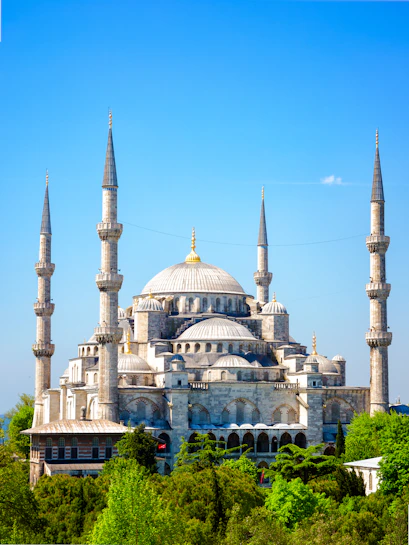
  • Photograph Hagia Sophia outside first: The fountain area between Hagia Sophia and the Blue Mosque gives the cleanest dome-and-minaret framing.
  • Walk the full cistern loop: Many visitors turn back too early and miss the Medusa heads at the far end.
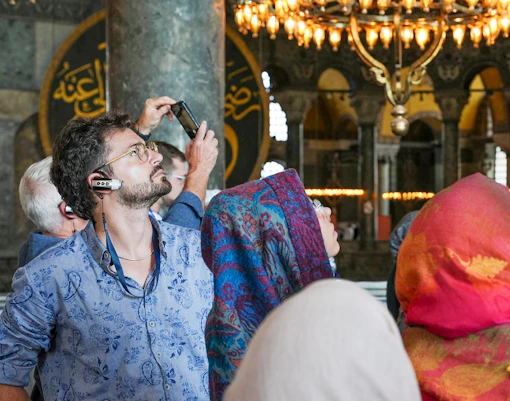
  • Pack a scarf in your day bag: Hagia Sophia’s dress rules are enforced, and buying a cover-up at the entrance slows the combo.
  • Use the weather smartly: Hot or rainy afternoons are easier underground, making Basilica Cistern a practical second stop.

Frequently asked questions about Hagia Sophia and Basilica Cistern tickets

You can book them separately, but a combo is usually easier. One checkout, coordinated entry instructions, and bundled guide options reduce planning friction.

More reads