Inside Hagia Sophia: Exploring the Imperial Gate, Sultans' Lodge, & More

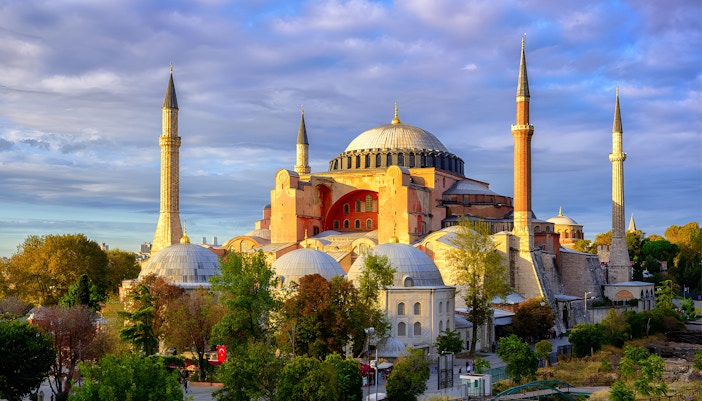
Once a Byzantine cathedral, then an Ottoman mosque, then a museum, and now a mosque again, Hagia Sophia is a renowned architectural gem in Istanbul. With its awe-inspiring grand dome, intricate mosaics, and fusion of Byzantine and Islamic elements, the Hagia Sophia is a standing testament to human creativity, resilience, and the harmonious coexistence of different civilizations.

Highlights inside Hagia Sophia
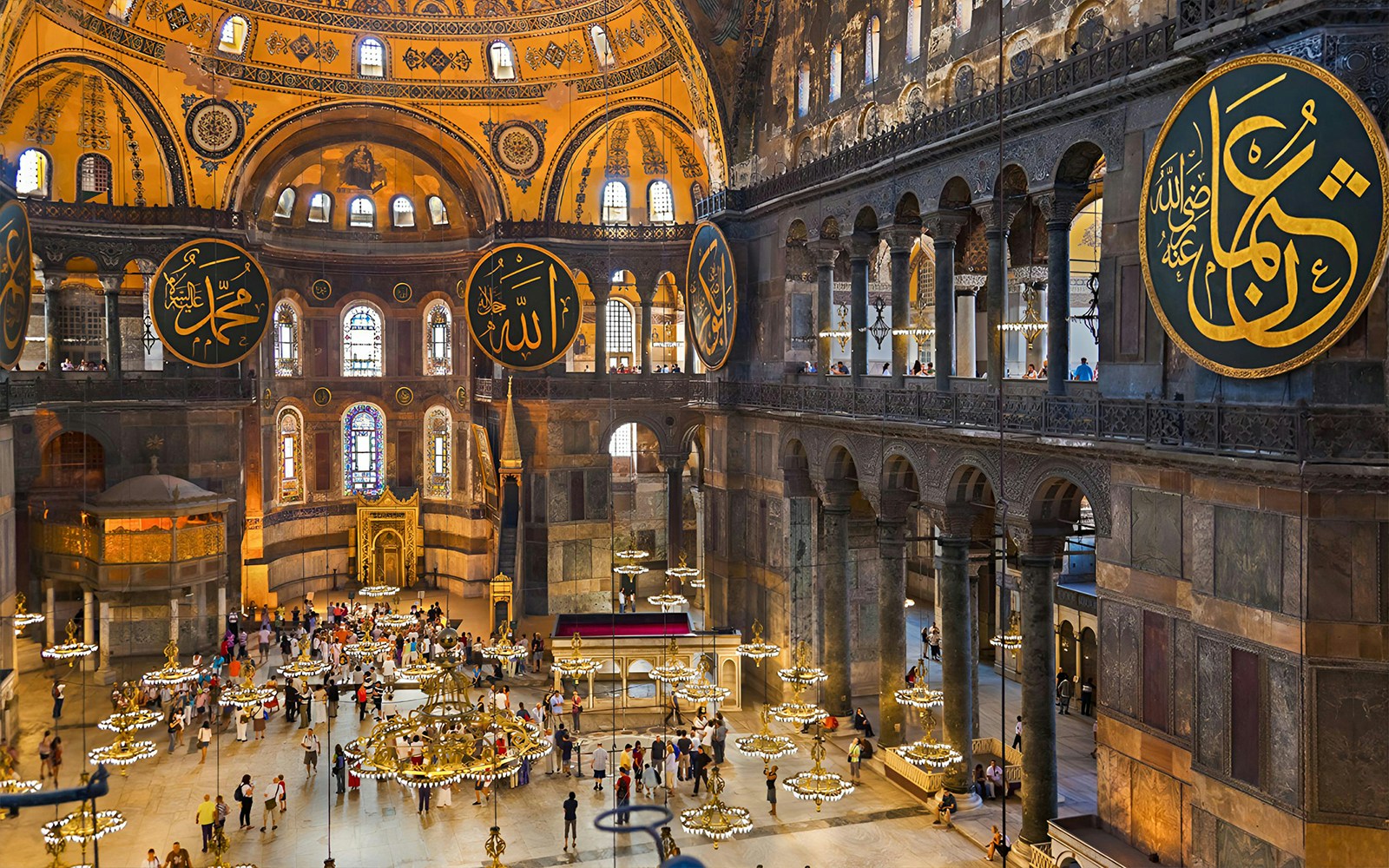
Hagia Sophia interiors
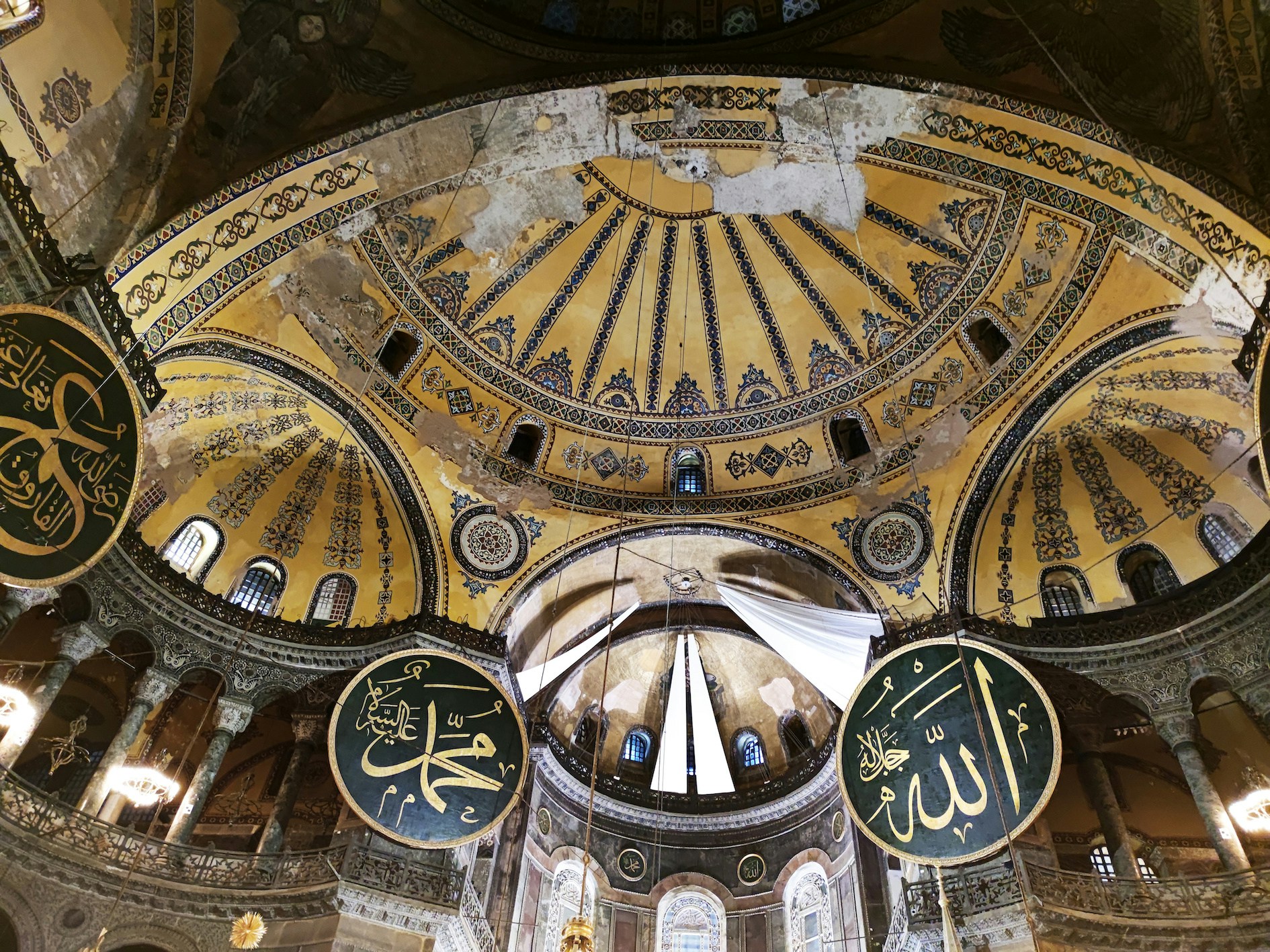
Dome painting inside Hagia Sophia
inside hagia sophia
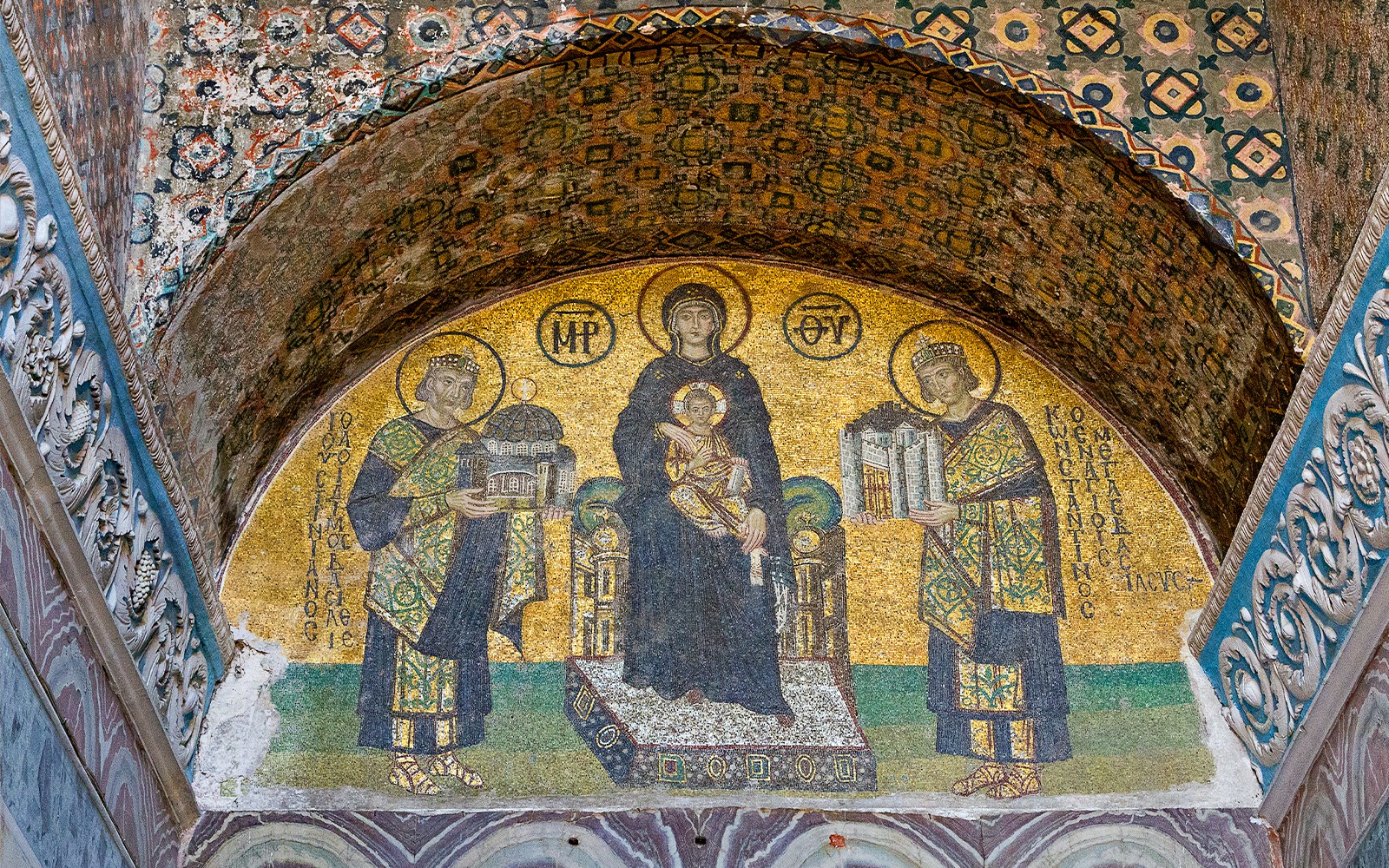
Hagia Sophia Mosaics
Inside Hagia sophia

What’s inside Hagia Sophia?

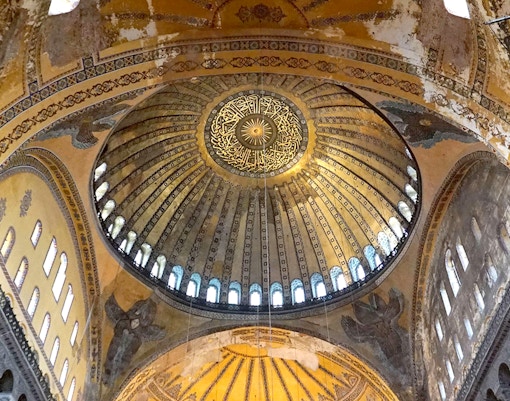
As you step inside the Hagia Sophia, you are greeted by the breathtaking Grand Dome, with the walls adorned with intricate carvings and mosaics. These wall artworks narrate the story of several religious events, which Hagia Sophia has witnessed in the many years of its being. The imperial lodge offers a beautiful view of the nave and dome, while the Deesis Mosaic evokes profound emotions with its portrayal of Christ, Mary, and John the Baptist. From the mesmerizing Mihrab to the enchanting Minbar, each detail reflects the harmonious fusion of Byzantine and Islamic influences.

The Grand Dome

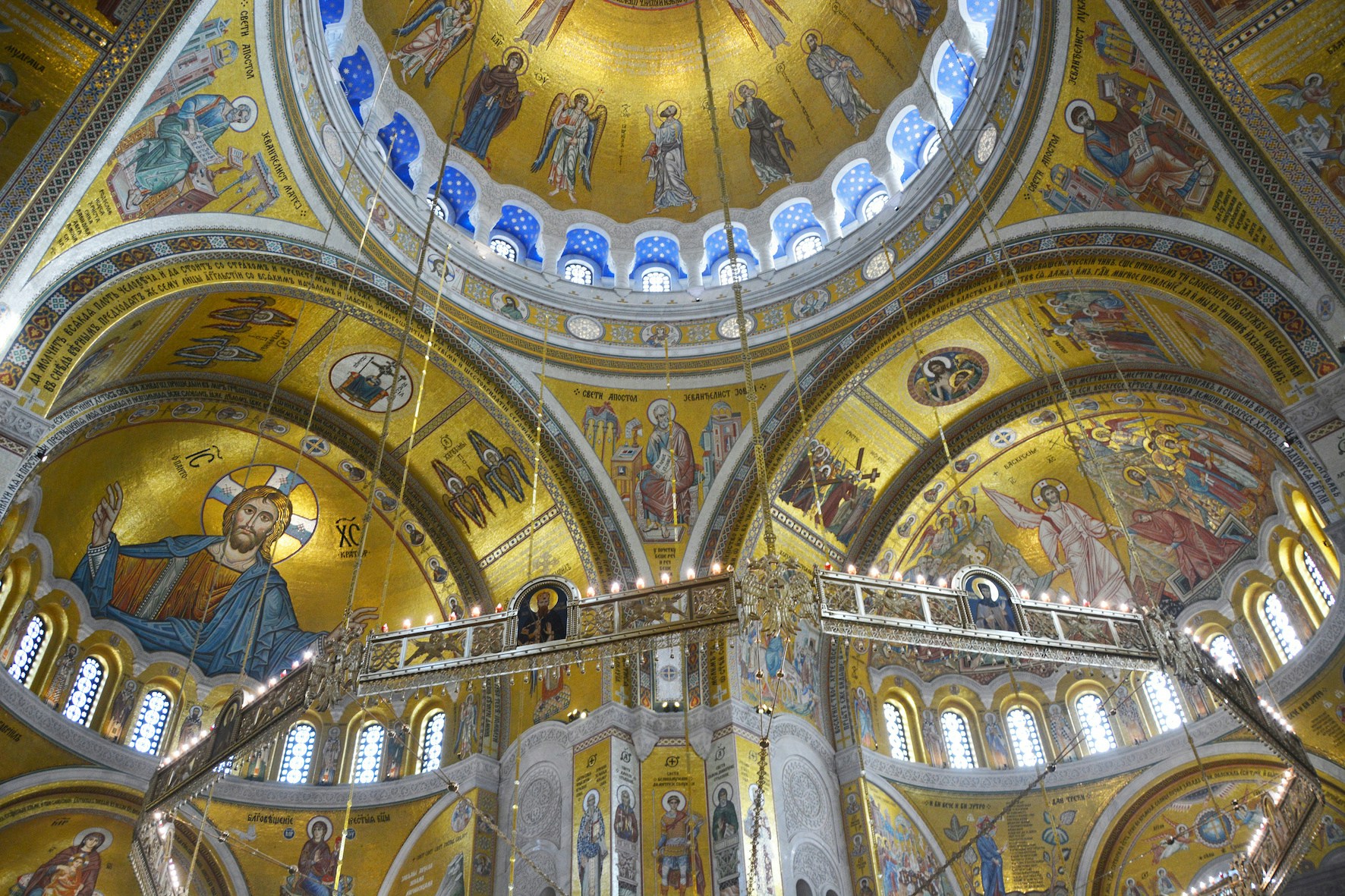
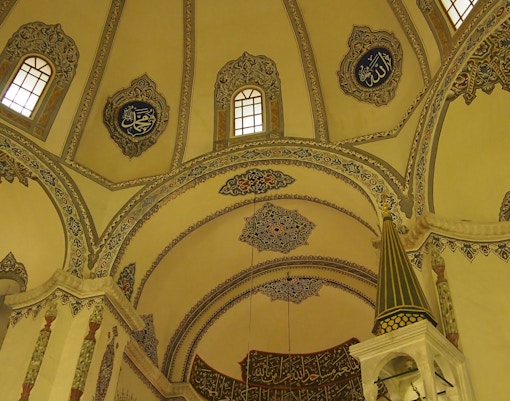
The Grand Dome inside the Hagia Sophia is an engineering marvel of its time. It's sheer size and intricate ornamentations will surely leave you in awe. Look up and admire the beautiful Byzantine mosaics that adorn its surface, showcasing scenes from the life of Jesus, the Virgin Mary, and various saints.

The Emperor’s Door

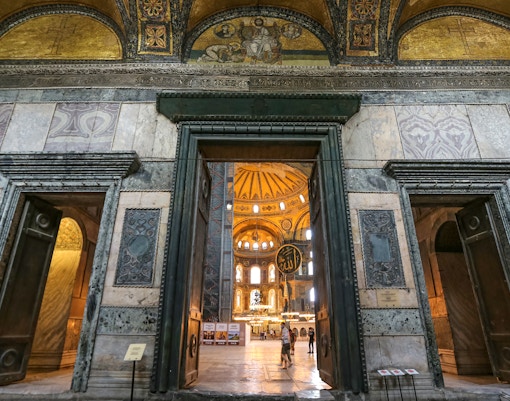
This door is located towards the southern side of the Hagia Sophia. This entrance was reserved exclusively for the Byzantine Emperors and added an aura of exclusivity and grandeur to their lifestyles. It has several intricate marble carvings on its surface that are a testament to the opulence of the Ottoman Sultans.

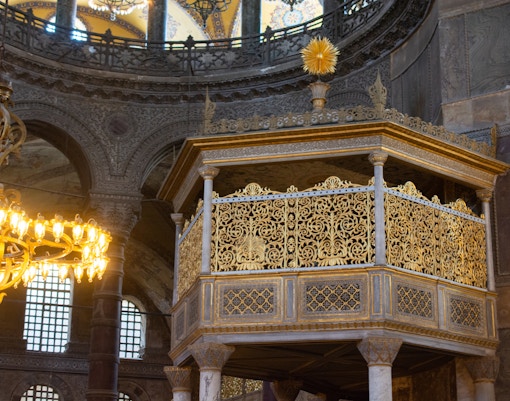
The Imperial Lodge

Enter the Imperial Lodge on the second floor and take a moment to imagine the Byzantine rulers experiencing the spiritual splendor of the Hagia Sophia from an elevated space. The Imperial Lodge also has several ornate furnishings on its surface and offers fantastic views of the dome and the nave.

The Dessis Mosaic

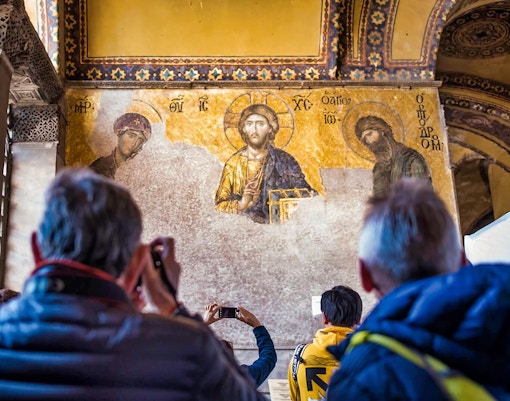
The Dessis Mosaic is located in the southern part of the Hagia Sophia gallery. It depicts Christ enthroned between the Virgin Mary and John the Baptist, who is shown pleading with him to intercede on behalf of humanity. The exquisite craftsmanship and emotional depth of this mosaic make it a must-see within the Hagia Sophia.

The Wishing Column

The Wishing Column on the northern side of the Hagia Sophia is one of the most popular sections within the Hagia Sophia. It is rumored that if you put your thumb on the small hole, rotate it 3 times, and make a wish, and your thumb is wet, the wish will be fulfilled. It is also believed that the Wishing Column possesses healing powers.

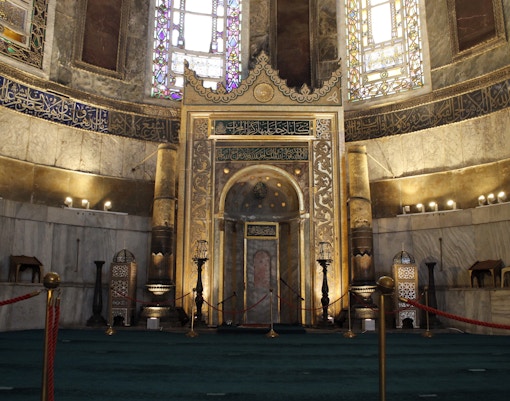
The Mihrab

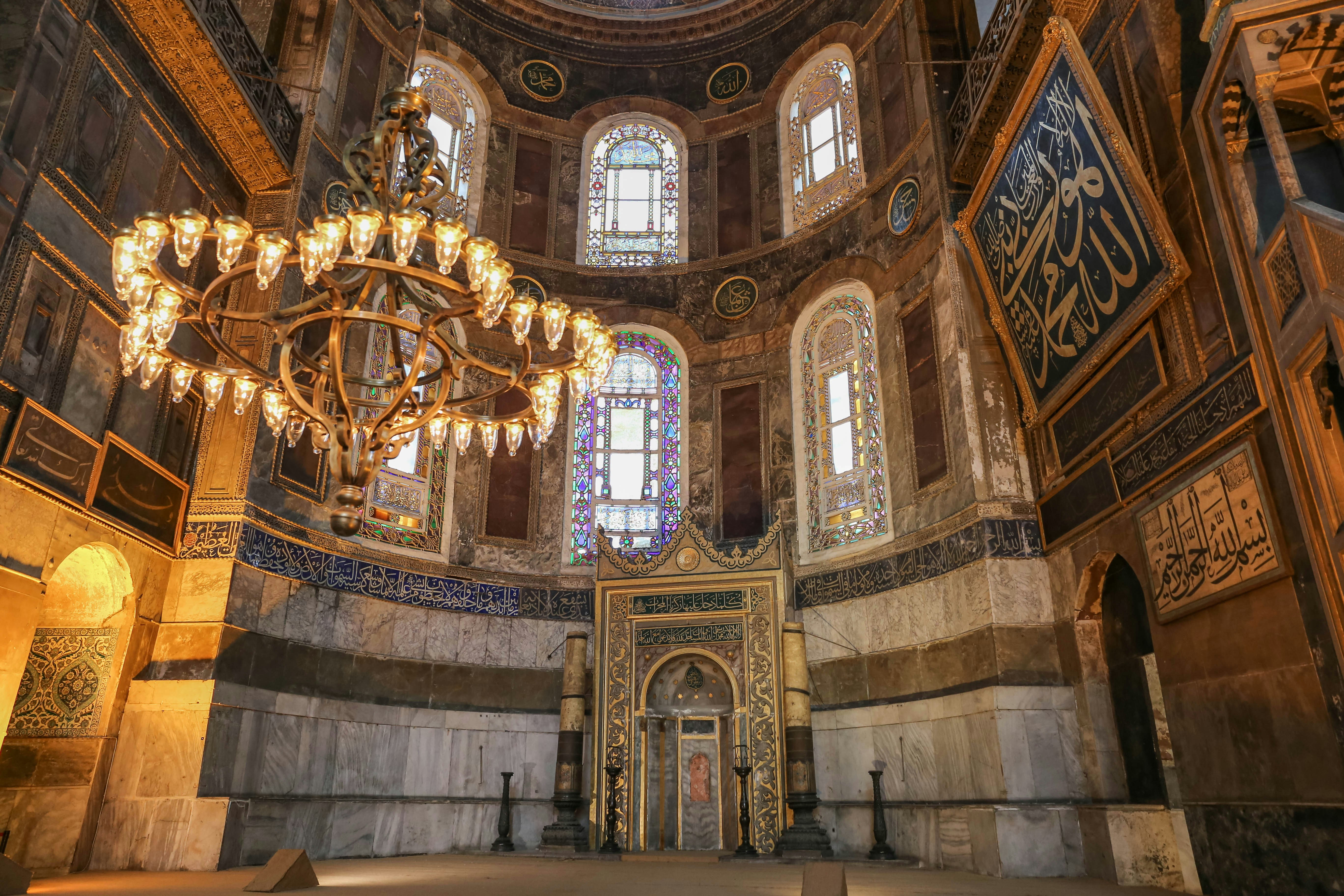
It is an ornate niche facing the direction of Mecca, located within the apse of the Hagia Sophia. This relic was added when the Hagia Sophia was converted into a mosque. Its rich colors and intricate designs continue to highlight the fusion of Byzantine and Islamic architectural styles, symbolizing the harmonious coexistence of different cultures.

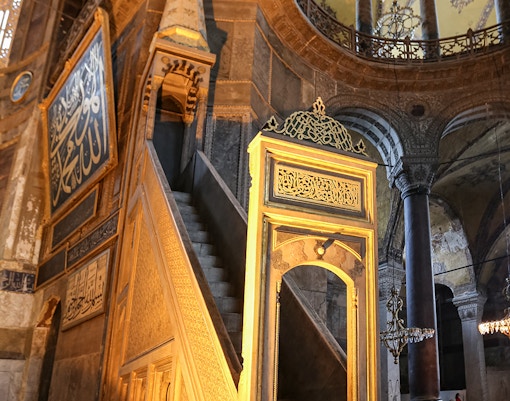
The Minbar

You will spot the Minbar near the Mihrab. It is a raised pulpit that was used by the imams to deliver sermons. The intricate woodwork and decorative motifs show the opulence and craftsmanship of the Ottoman artisans. The Minbar is an important addition that solidifies Hagia Sophia’s significance as a mosque.

The Weeping Column

Conclude your exploration by observing the Weeping Column in the north aisle. According to popular belief, this column possesses healing properties. It is said that the moisture on its surface comes from countless visitors seeking blessings and solace. The Weeping Column beautifully captures the enduring legacy of Hagia Sophia’s faith.

How to get inside the Hagia Sophia?

Hagia Sophia is open daily throughout the year. We recommend you book Hagia Sophia guided tours to explore the hidden gems and get to know the detailed history of the Hagia Sophia. Please avoid visiting the mosque during noon prayers on Fridays as it remains closed to visitors during those hours.

Hagia Sophia visitor tips & guidelines

  • Remove your shoes: Make sure to remove your shoes before entering the Hagia Sophia. It is a prayer site, actively used as a mosque. 
  • Cover your heads: You have to cover your heads before entering the Hagia Sophia. Head scarves are available for free at the entrance of the Hagia Sophia. 
  • Wear appropriate clothing: Since Hagia Sophia is a mosque, we recommend wearing clothes that cover your knees and shoulders inside the monument. 
  • Book guided tours: It is best to book Hagia Sophia guided tours to get a deeper understanding of the history and culture of the UNESCO World Heritage Site. 
  • Avoid visiting on Fridays: Hagia Sophia remains closed only during noon prayers on Fridays. Please avoid entering the mosque during those hours. 

Book Hagia Sophia tours

Hagia Sophia Skip-the-Line Tickets

Book now, pay later
Flexible duration
Audio guide
Guided tour
Meals included

Combo (Save 5%): Basilica Cistern + Hagia Sophia Skip-the-Line Tickets

Audio guide

Combo Guided Tour: Basilica Cistern + Blue Mosque + Hagia Sophia with Skip-the-Line Tickets

Free cancellation
Book now, pay later
Flexible duration
Guided tour

Istanbul Super Combo: Topkapi Palace + Hagia Sophia + Basilica Cistern Skip-the-Line Tickets

Audio guide

Combo: Blue Mosque + Hagia Sophia Guided Tour with Entry Tickets

Free cancellation
Book now, pay later
Flexible duration
Audio guide
Guided tour

Combo Guided Tours with Entry Tickets: Hagia Sophia + Topkapi Palace or Basilica Cistern

Free cancellation
Book now, pay later
2 hr. - 4 hr.
Audio guide
Guided tour

Istanbul MegaPass: Skip-the-Line E-Tickets for Top Attractions

Flexible duration
Audio guide
Guided tour

Frequently asked questions about what’s Inside Hagia Sophia

The Hagia Sophia had been a functioning orthodox cathedral in the Byzantine era and was later turned into a mosque. Its interiors feature a blend of traditional Ottoman and Byzantine styles with European influences. Look out for its Grand Dome, Weeping Column, and the Mihrab and the Minbar.

More Reads

Hagia Sophia Opening Hours

Hagia Sophia Guided Tours

Getting to Hagia Sophia