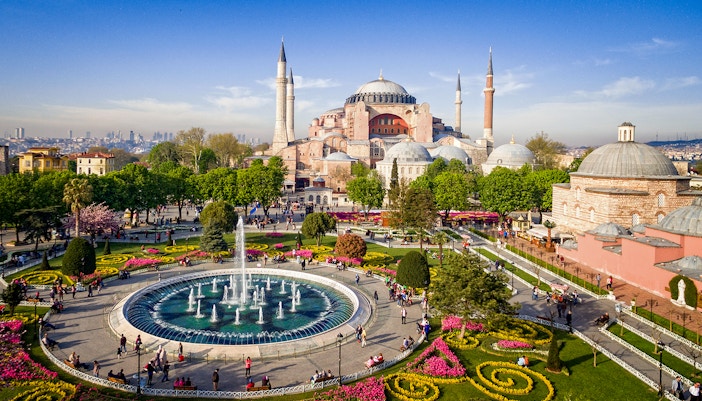
10 lesser-known facts about the Hagia Sophia

Hagia Sophia |A testament to Byzantine grandeur

Embark on a journey to Istanbul's enchanting Hagia Sophia, a living testament to the confluence of Byzantine and Ottoman grandeur. Marvel at the glorious dome, adorned with centuries-old mosaics, and feel the pulse of history beneath your feet. Dive into an unmissable cultural odyssey where each stone whispers tales of empires past.

10 Interesting facts about the Hagia Sophia
From humble beginnings to a soaring Dome
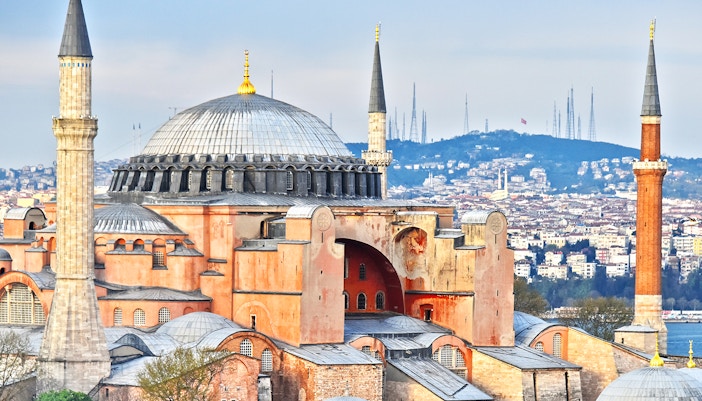
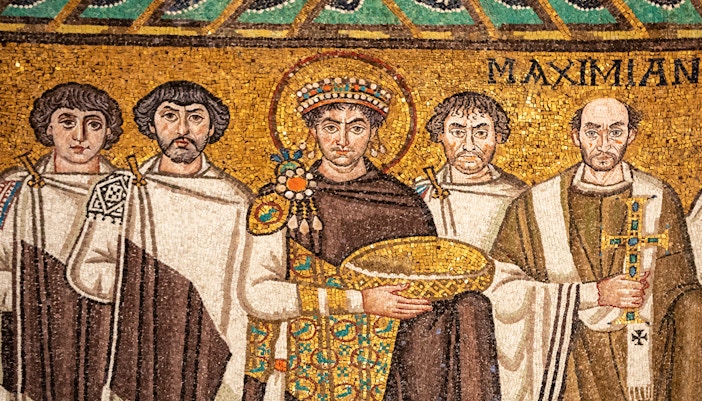
Contrary to its monumental presence today, Hagia Sophia wasn't always grand. The first two versions, built in the 4th and 5th centuries, were wooden structures destroyed by riots. Emperor Justinian I in the 6th century commissioned the third and iconic version, featuring the groundbreaking, large-scale dome that reigned supreme for nearly a millennium.

Witness to history’s tumultuous tides
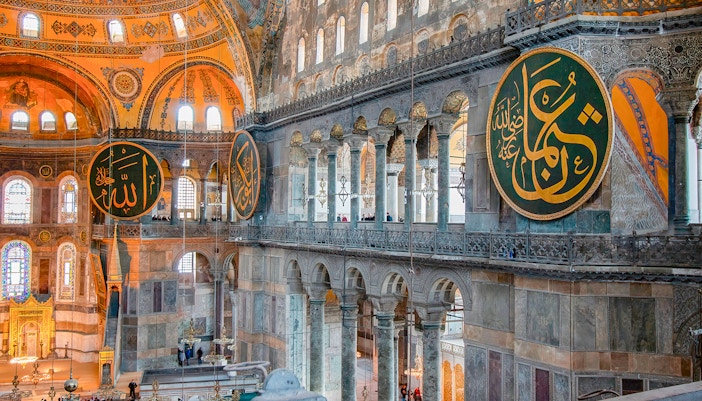
Hagia Sophia has served as a church, a mosque, and a museum, reflecting the city's changing religious and political landscape. Built as a Christian church under Byzantine rule, it became a mosque after the Ottoman conquest in 1453. In 1931, it was secularized as a museum, only to regain its mosque status in 2020.

Retains whispers from the past

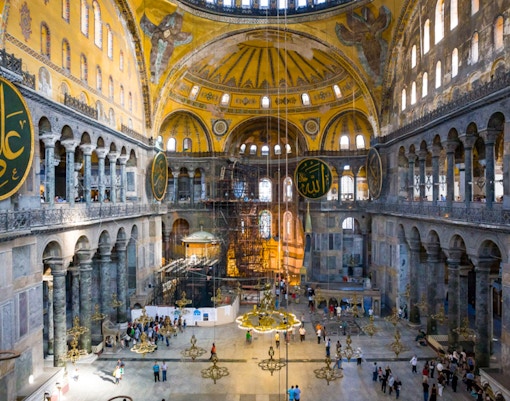
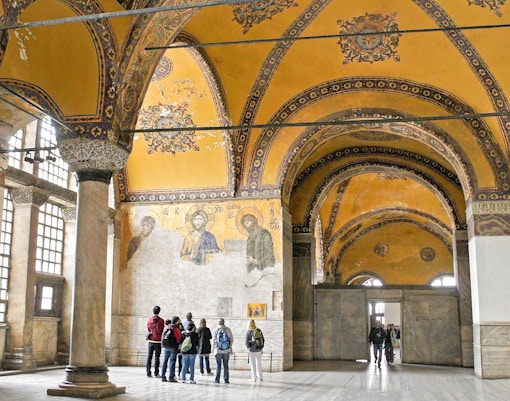
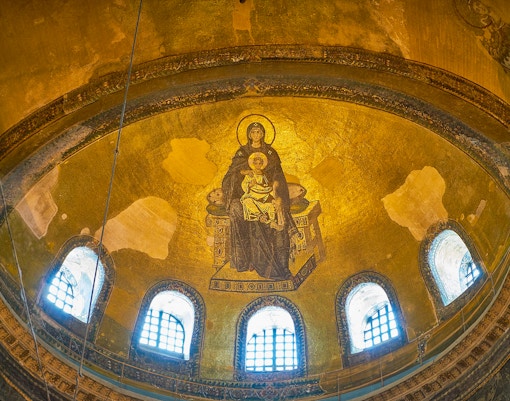
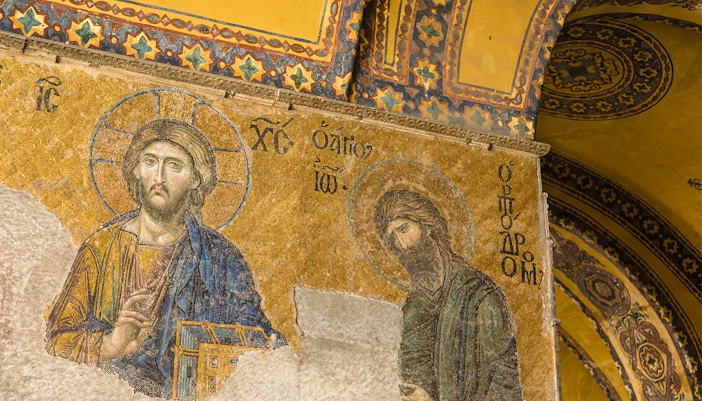
When Hagia Sophia transitioned from church to mosque, many Christian mosaics were plastered over. However, a dedicated restoration effort revealed stunning depictions of biblical figures, angels, and geometric patterns, offering a glimpse into its Byzantine past.

Features an impressive Dome

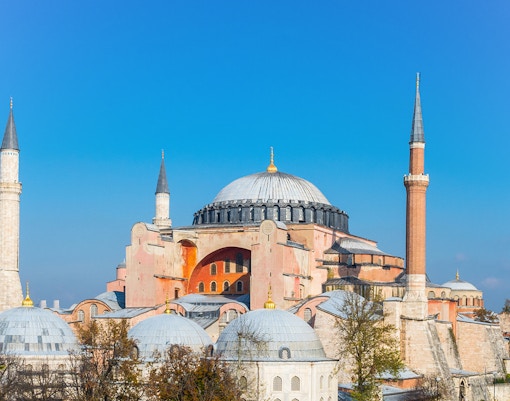
The Hagia Sophia's dome, spanning 102 feet and reaching 182 feet high, was an architectural marvel for centuries. Its innovative construction techniques, including lightweight materials and hidden ribs, contributed to its longevity despite earthquakes and natural disasters.

Where emperors were crowned and prayers echoed
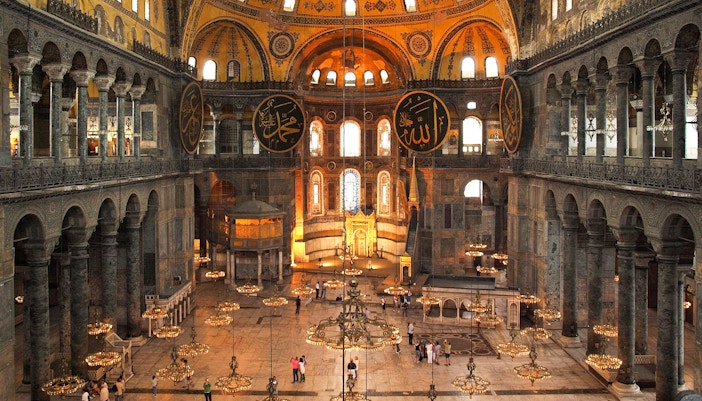
Hagia Sophia wasn't just a place of worship; it was the heart of the Byzantine Empire. Coronations of emperors took place here, and the vast space resonated with the chants and prayers of thousands. Its central location and grandeur cemented its symbolic importance.

A tale of two cubes

Two massive marble cubes stand proudly inside Hagia Sophia. Their origins remain a mystery, with theories suggesting they served as fountains, offered refreshments to worshippers, or held religious significance. These enigmatic cubes add to the intrigue of the site.

Weeping wonders and origin of myths

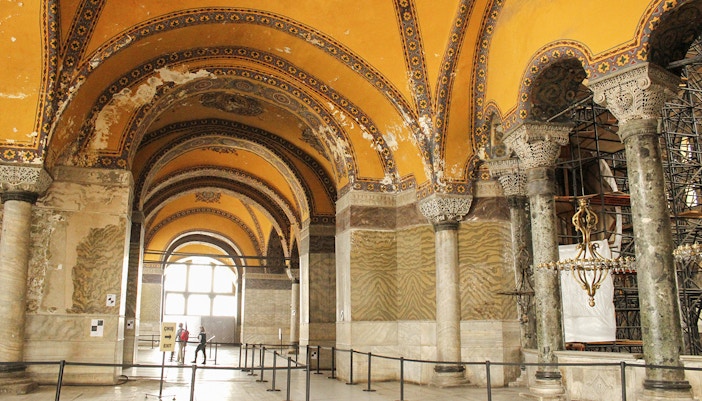
Legend surrounds a column within Hagia Sophia, known as the ‘Weeping Column.’ Moisture constantly seeps from it, and some believe it possesses healing powers. You can touch the column and seek blessings and cures, adding to the spiritual allure of the monument.

More than a mosque

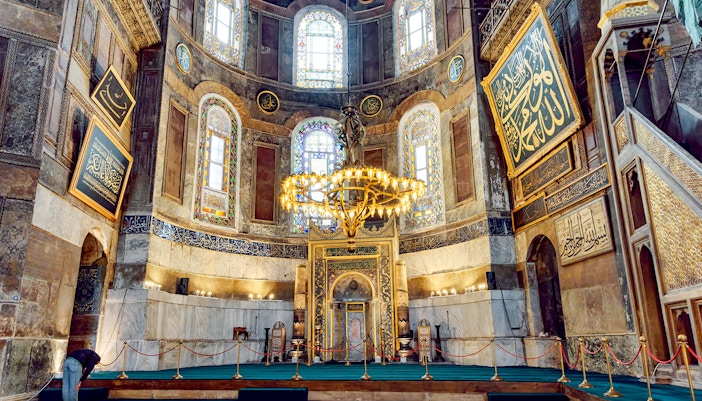
While currently functioning as a mosque, Hagia Sophia remains a significant site for Christians and people of other faiths. Its historical significance and unique blend of Christian and Islamic architectural elements attract visitors from all backgrounds.

A beacon of tolerance and dialogue

Despite its conversion to a mosque, Hagia Sophia retains elements of its Christian past, like bells and mosaics. This preservation fosters interfaith dialogue and understanding, promoting a message of religious tolerance and appreciation for cultural heritage.

A bridge between East and West

Hagia Sophia's location played a crucial role in its significance. Nestled at the crossroads of Europe and Asia, it served as a cultural and religious bridge between Eastern and Western traditions. Its architecture and history reflect this unique blend of influences.

Frequently asked questions about the Hagia Sophia in Istanbul

Hagia Sophia is renowned for its architectural marvels, particularly its massive dome, and its rich history as a church, mosque, and museum, reflecting Istanbul's cultural and religious crossroads.

More reads

About Hagia Sophia

Hagia Sophia opening hours

Hagia Sophia architecture